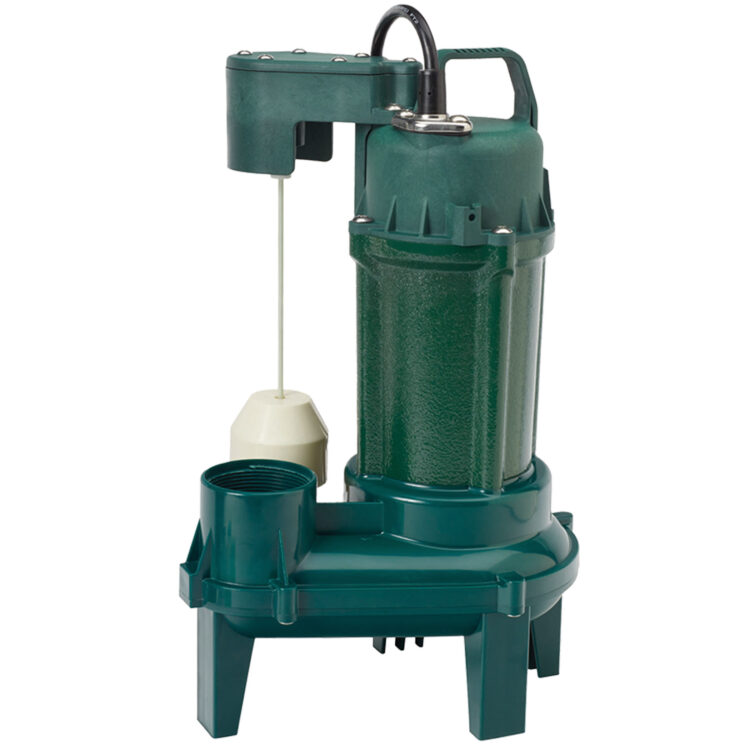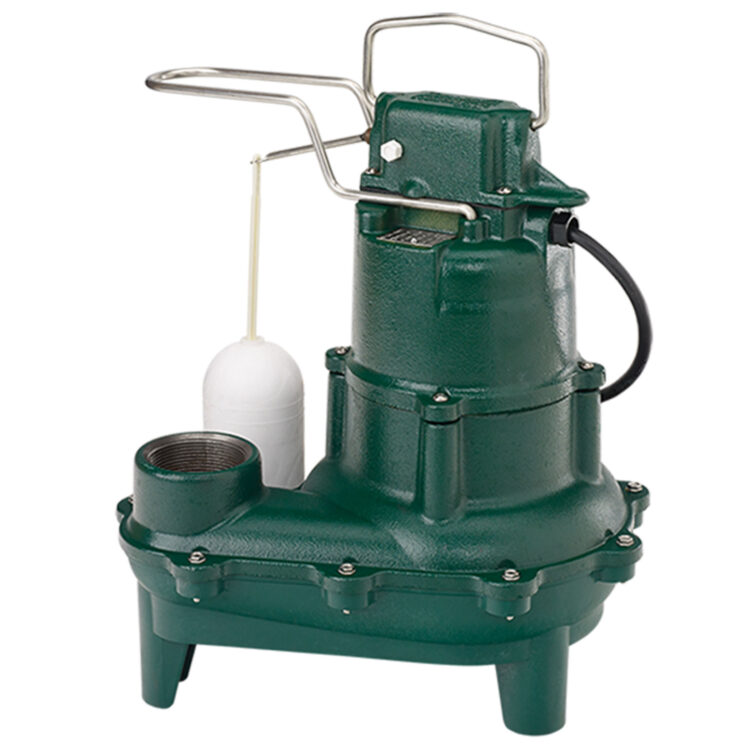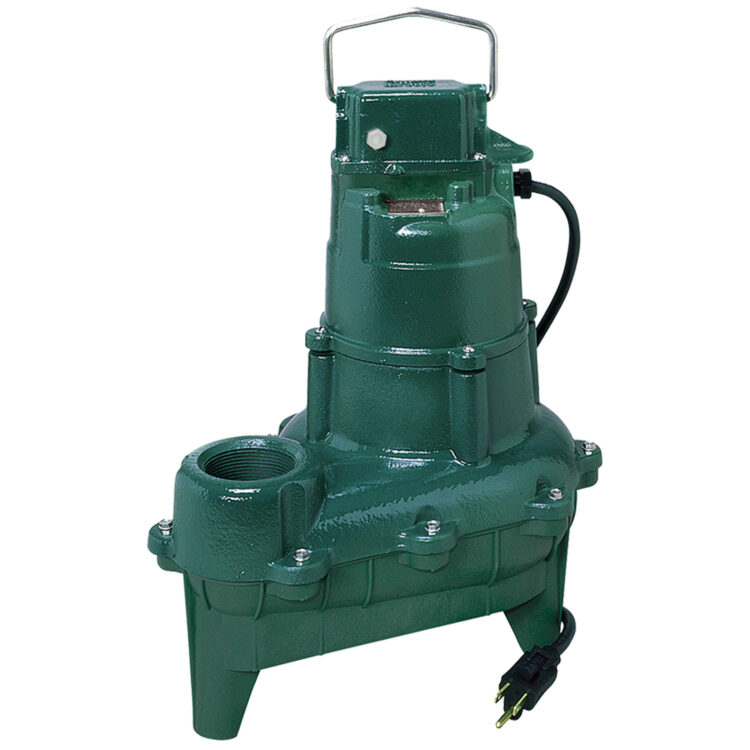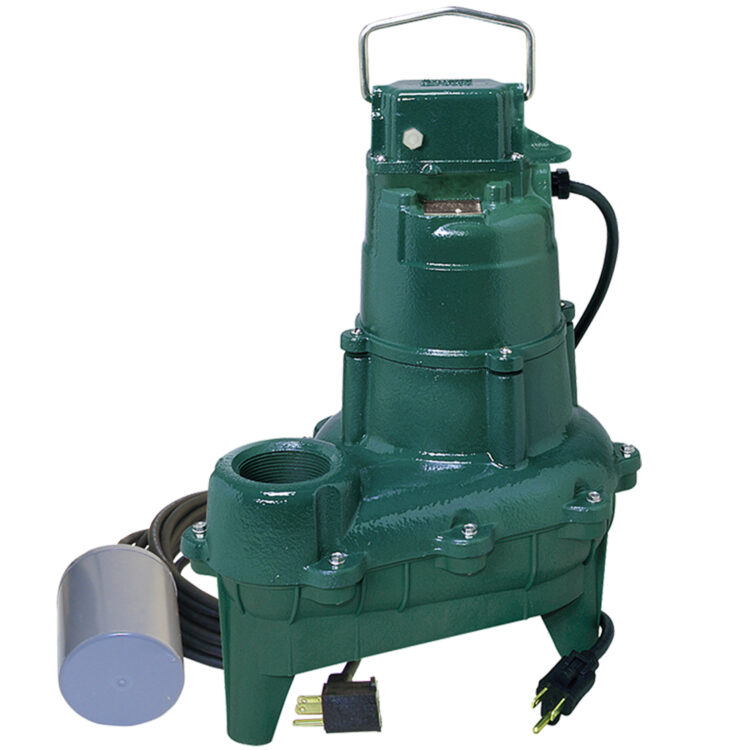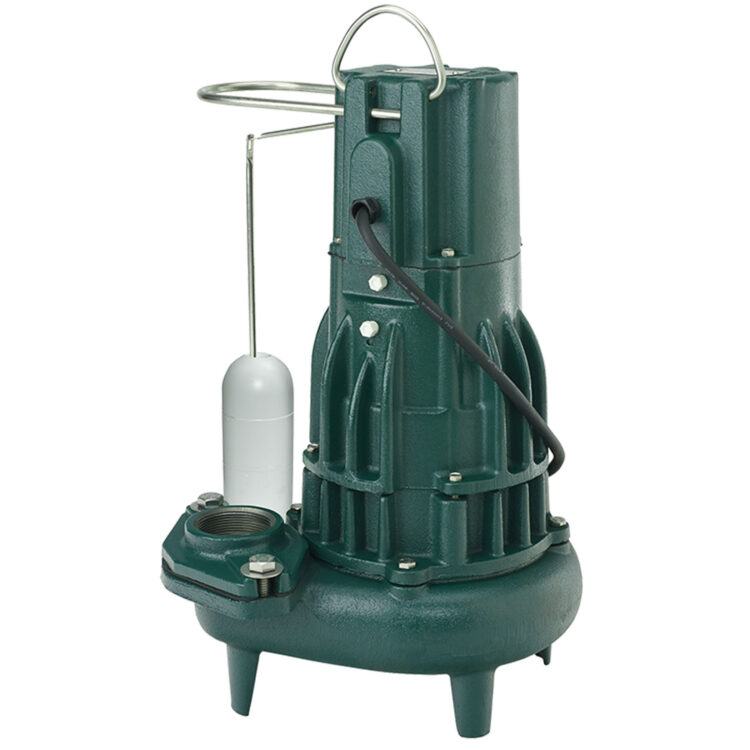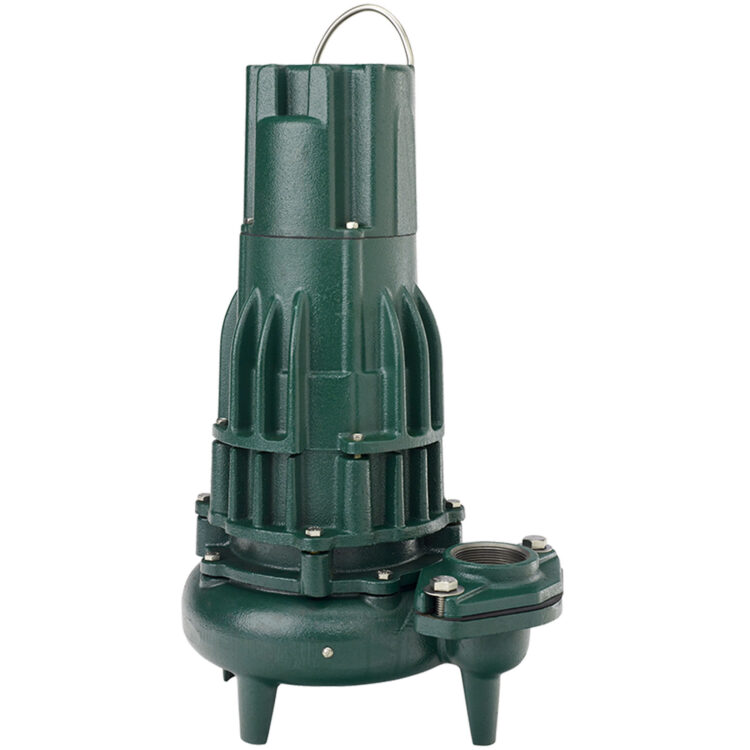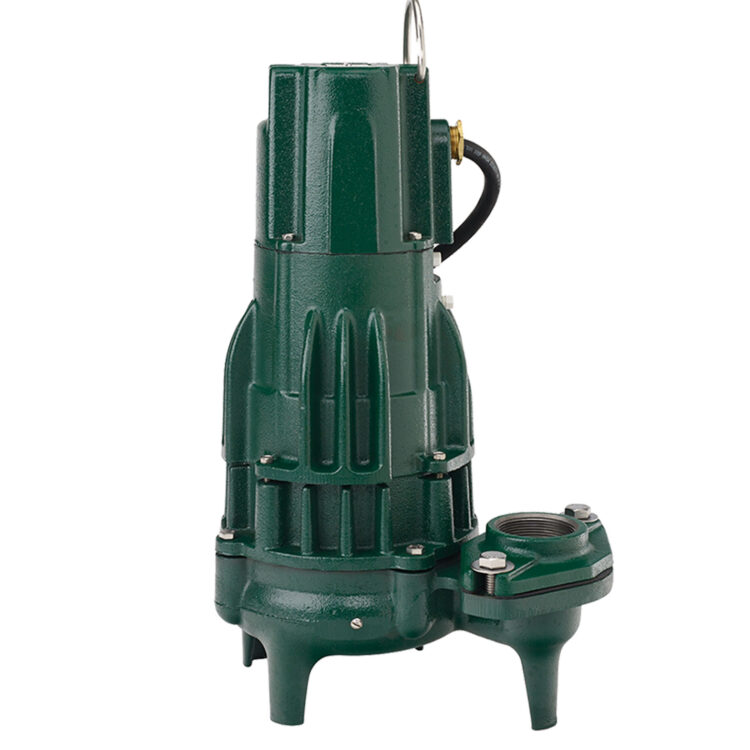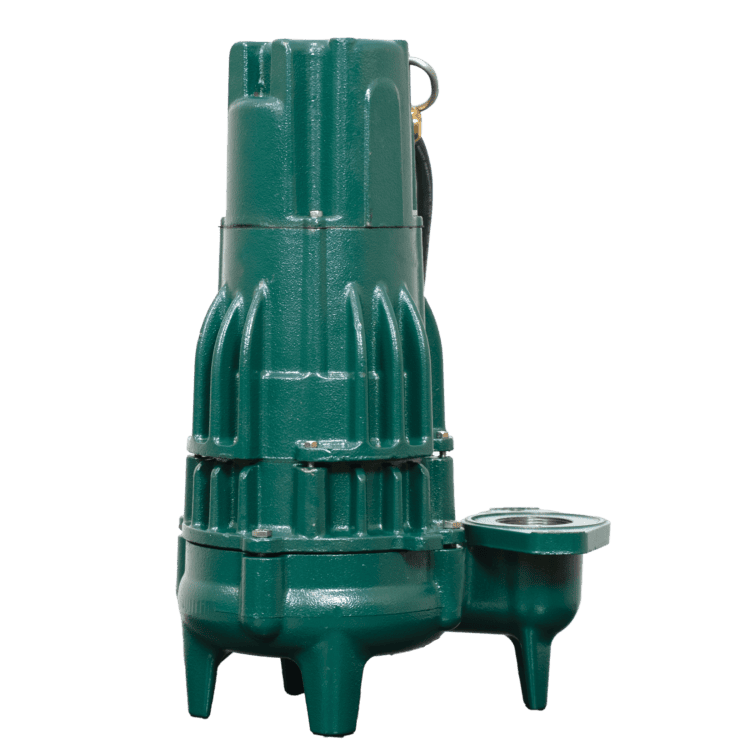
If wastewater must travel long distances, overcome high vertical lift, or push into a pressurized sewer main, a grinder pump is required; for short runs into gravity-fed sewer or septic systems, a standard sewage ejector pump is the correct choice.
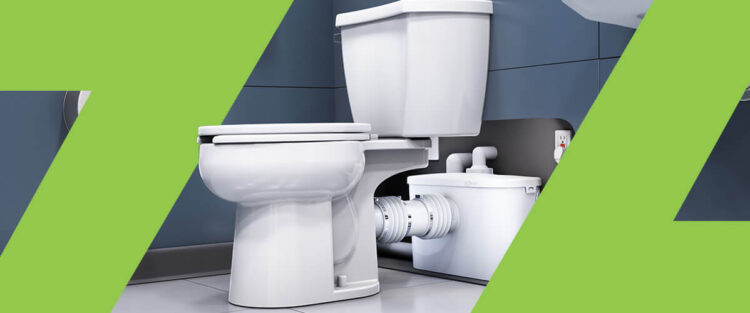
For many homeowners, the dream of a finished basement or a new downstairs bathroom comes with the tricky plumbing reality of going against gravity. When your new toilet or drain is located lower than your home’s main sewer line or septic tank, you need a pump to lift the wastewater up and out.
However, when you start researching options or reviewing quotes from plumbers, you’ll need to make a choice between a standard sewage ejector pump and a sewage grinder pump. A common mistake is assuming that a grinder is simply a heavy-duty upgrade to a standard sewage pump.
These two units serve fundamentally different purposes. Installing a grinder pump when you have a septic tank can potentially destroy your leach field, while installing a standard sewage pump when you need to push waste up a steep hill will result in a burnt-out pump.
What Are Sewage Ejector Pumps?
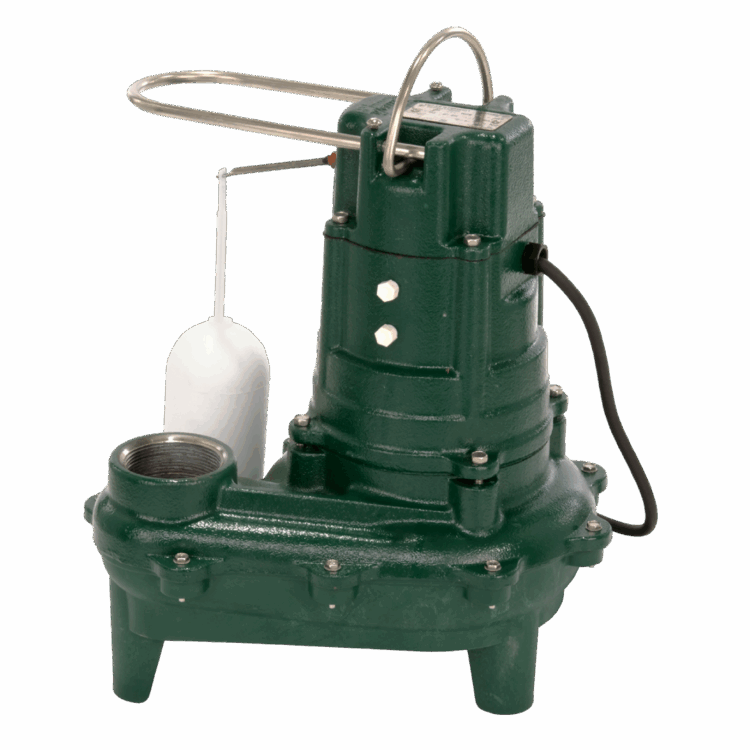
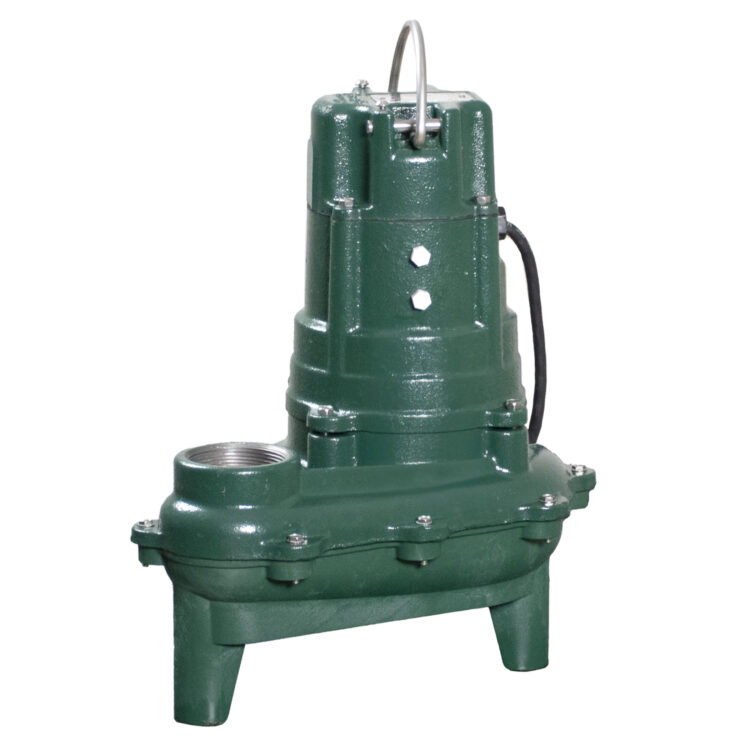
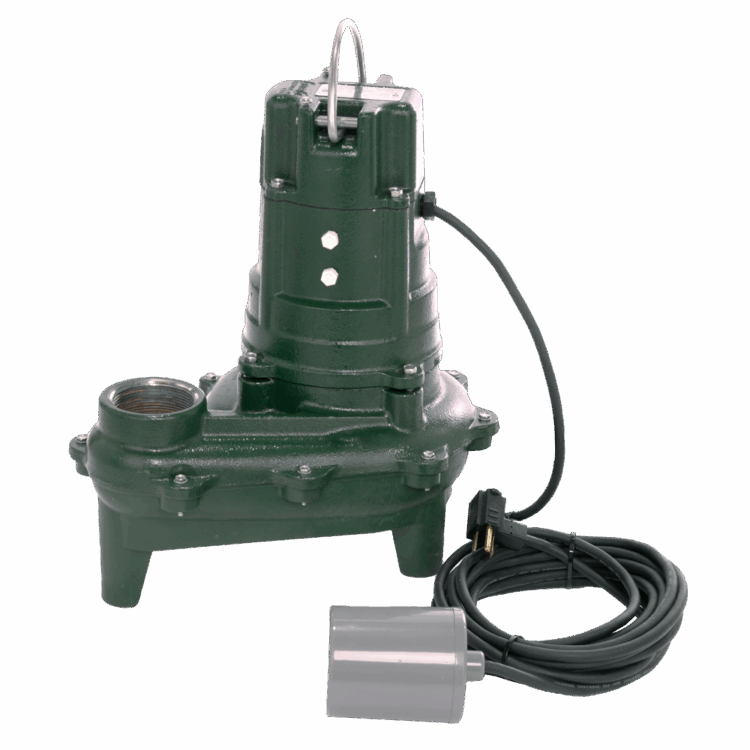
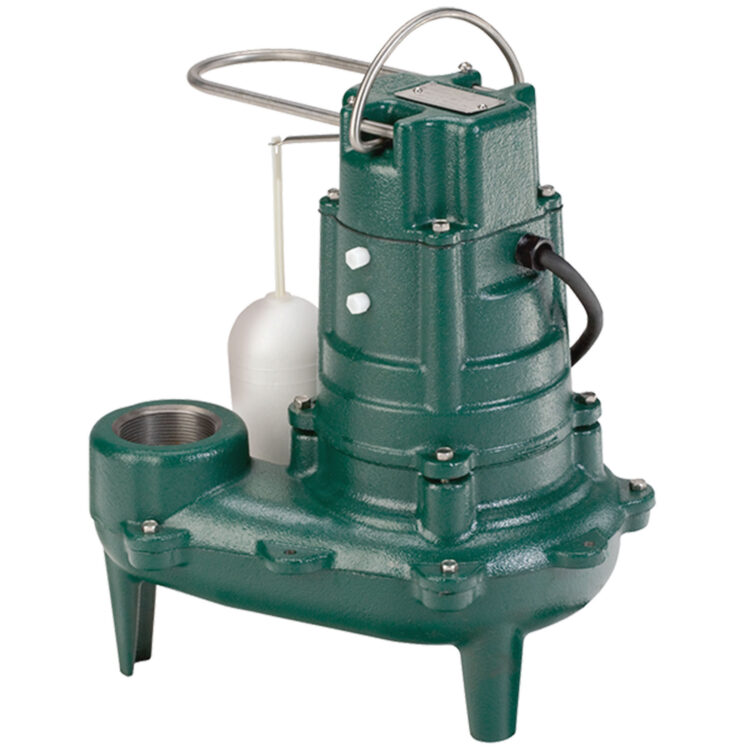
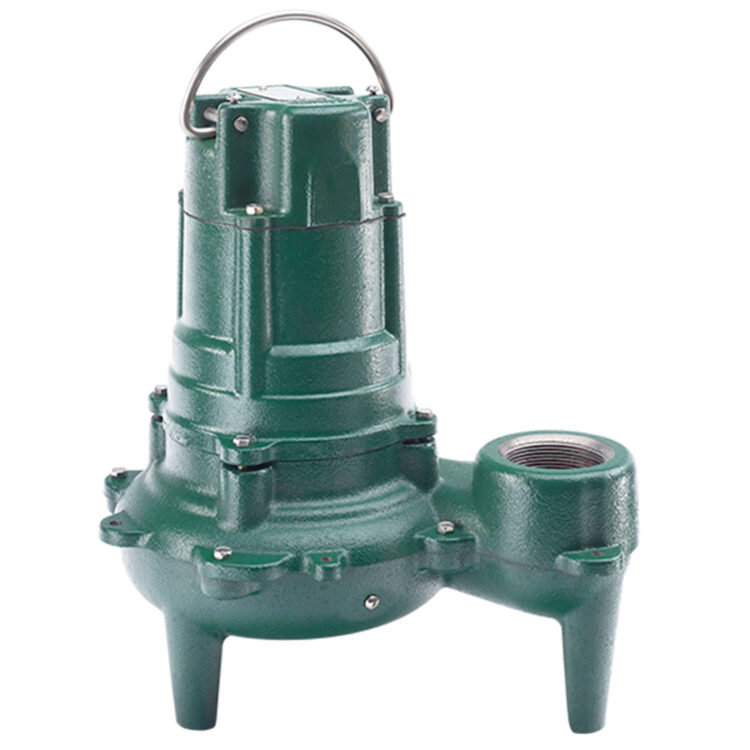
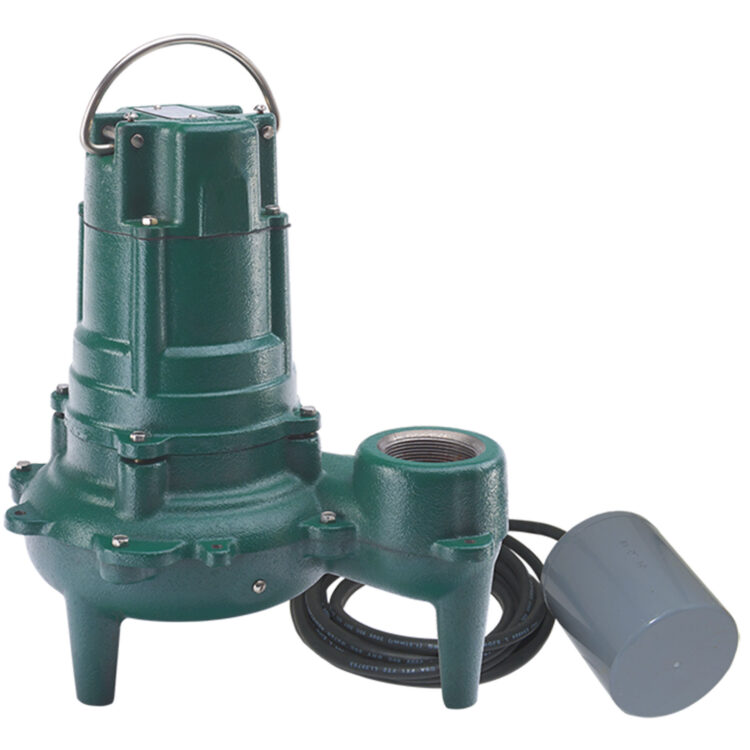
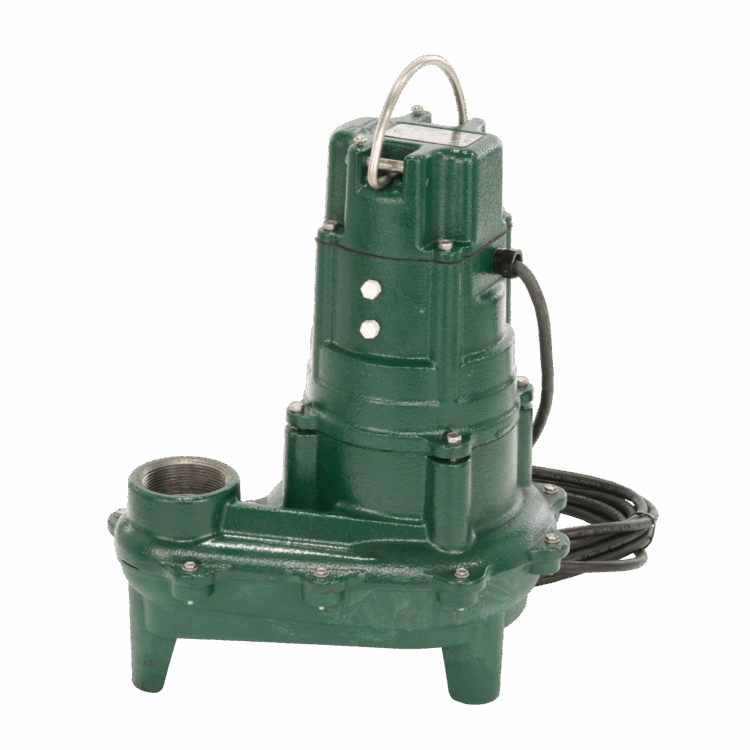
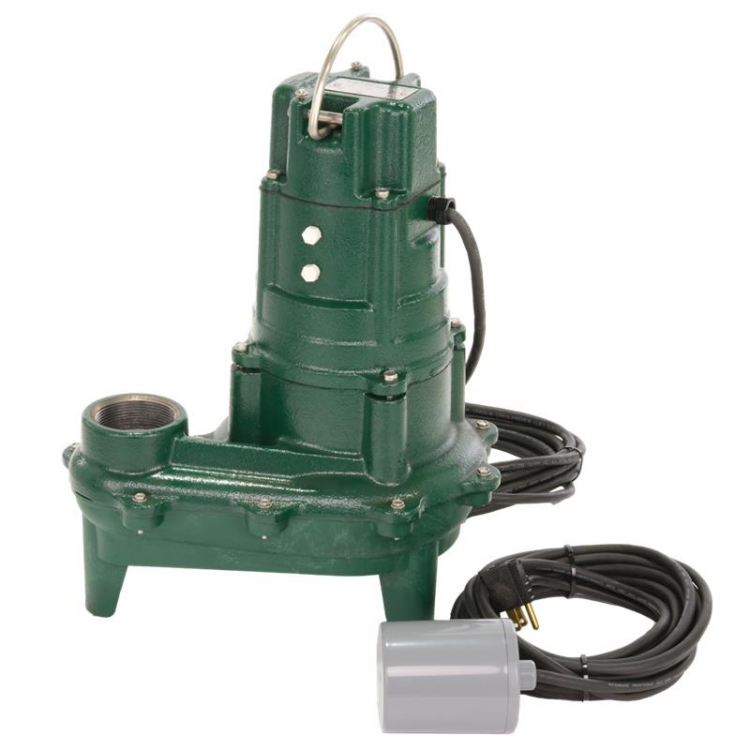
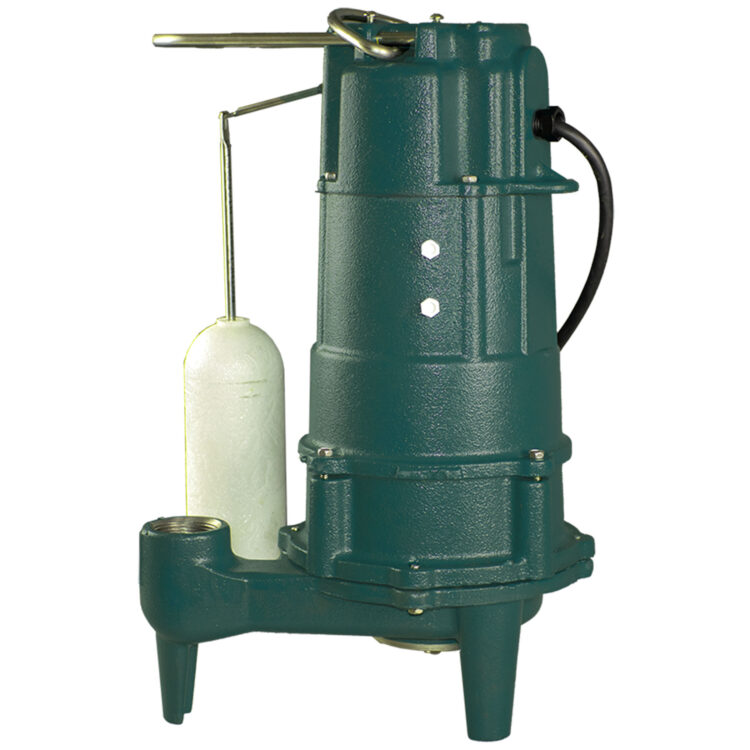
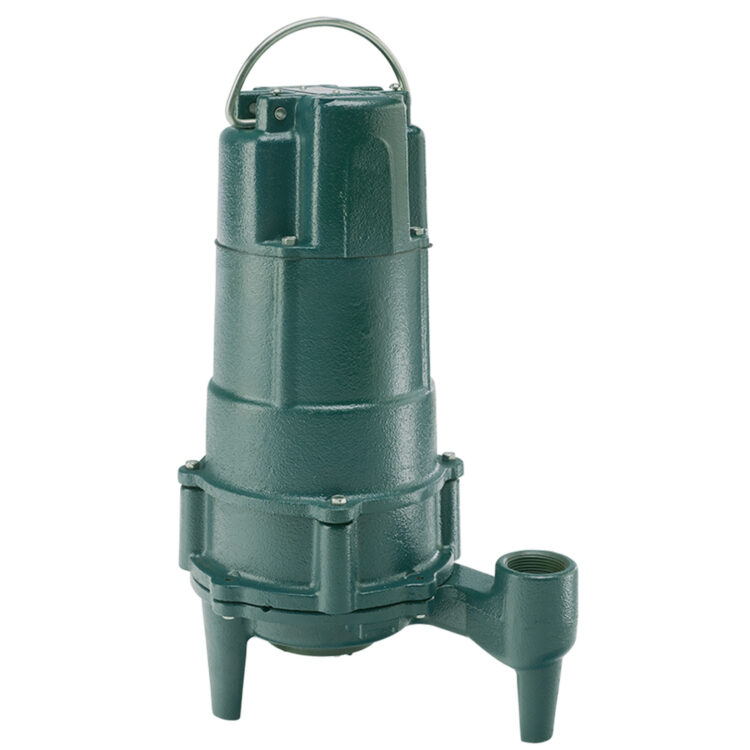
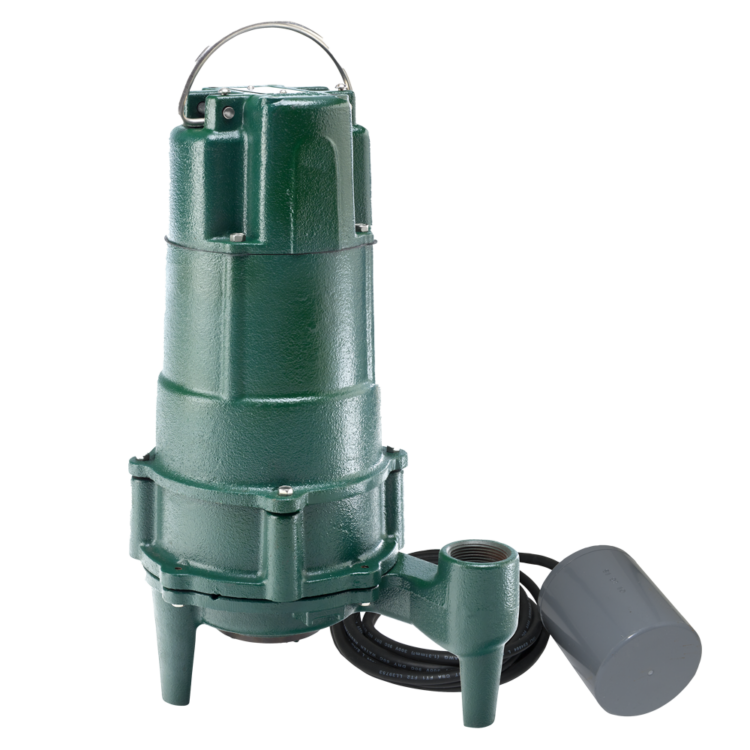
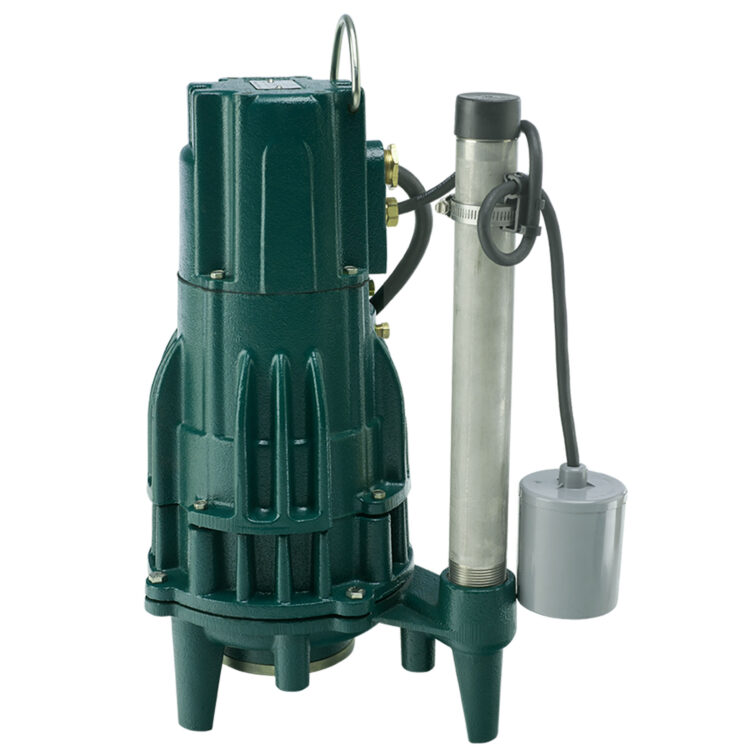
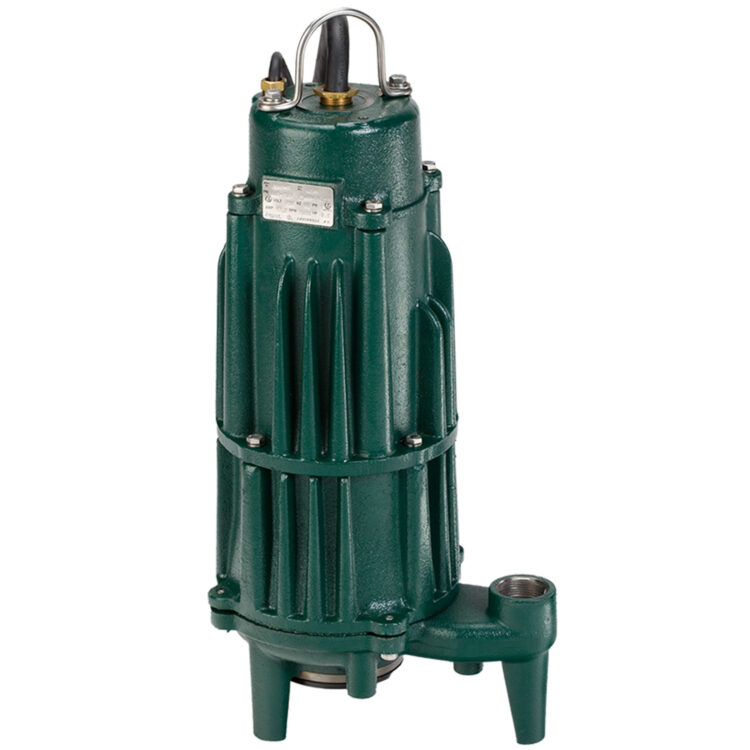
Ejector pumps, often called sewage pumps, are the most common sewage pumps. Ejector pumps are designed to send high volumes of waste short distances. This high processing speed means they can keep up under all but the most extreme conditions. Modern ejector pumps can also handle spherical solids up to 2 inches in diameter, minimizing the risk of blockages.
Each ejector pump is equipped with a spinning mechanism called an impeller, which pushes solids into the discharge pipe. It’s even strong enough to pump the waste against gravity. That extra force is often necessary because ejector pumps are usually placed in pits beneath the building they’re in. They’ll pump the waste up the discharge pipe, where it can flow down into a nearby sewage line or septic tank.
What Are Sewage Grinder Pumps?
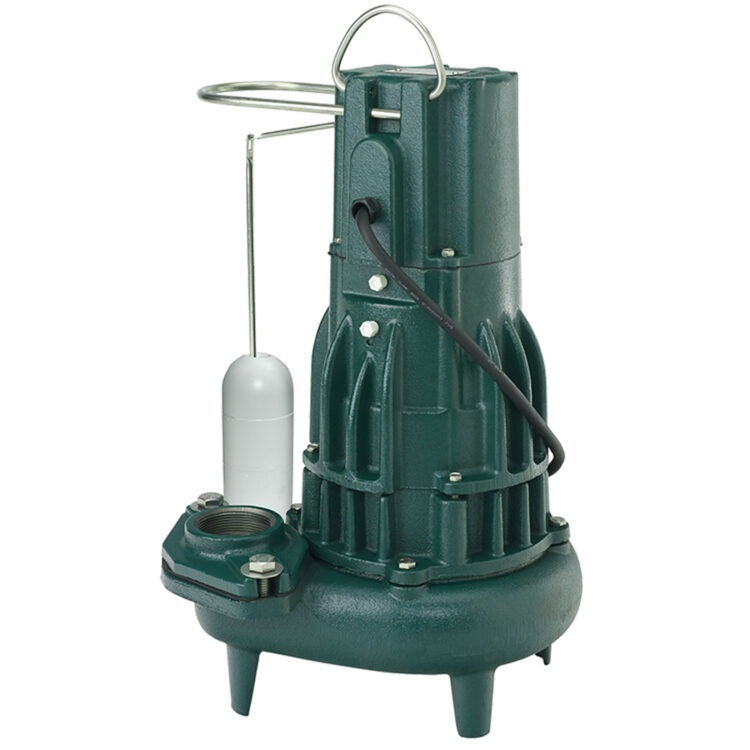
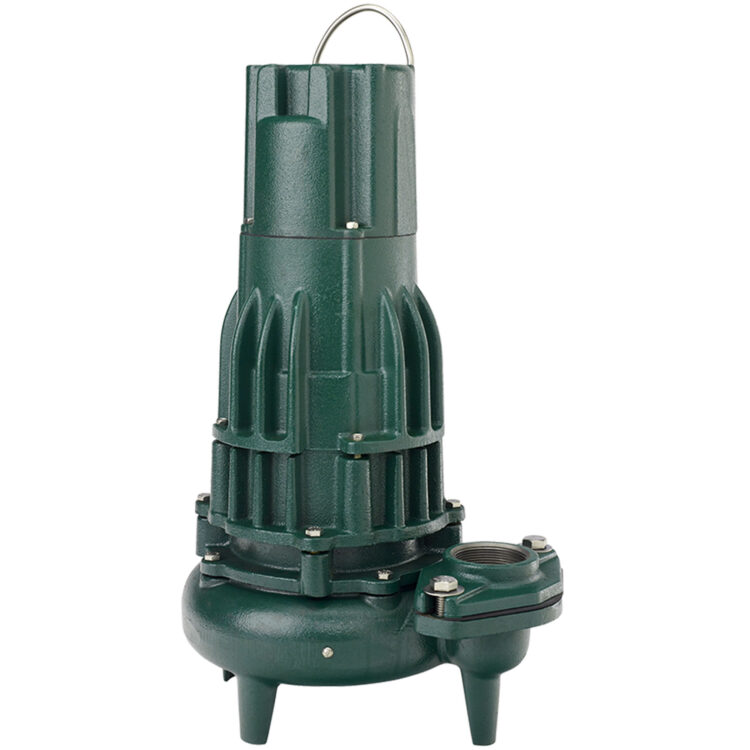
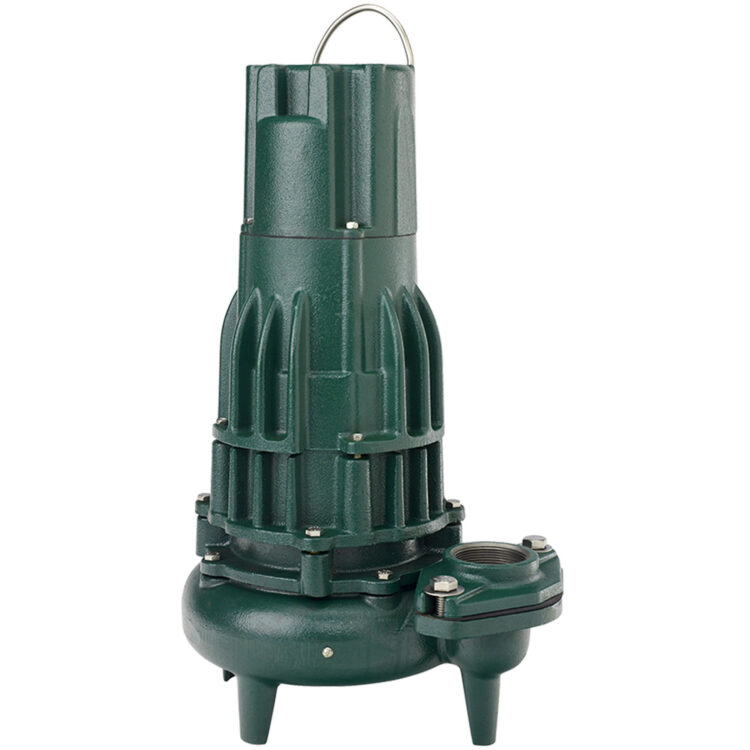
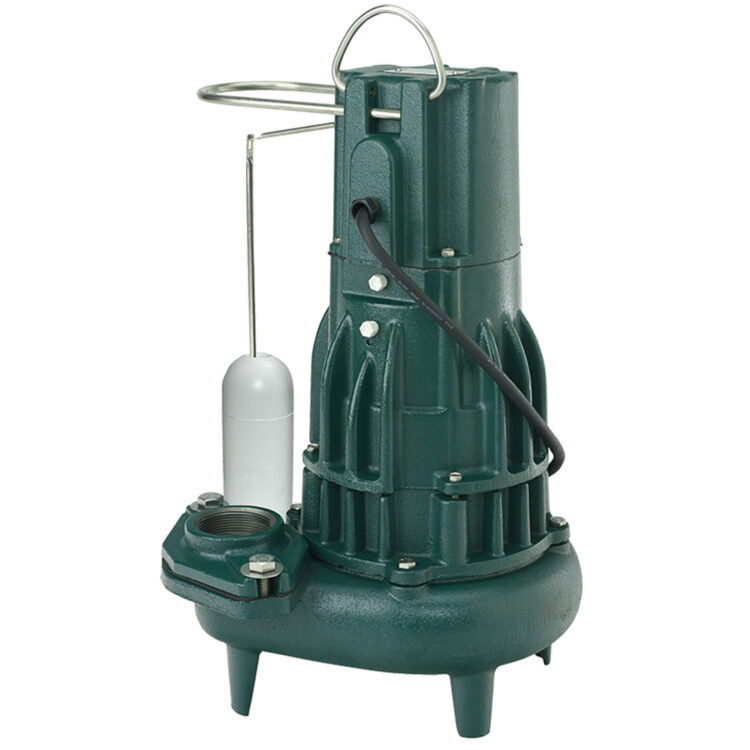
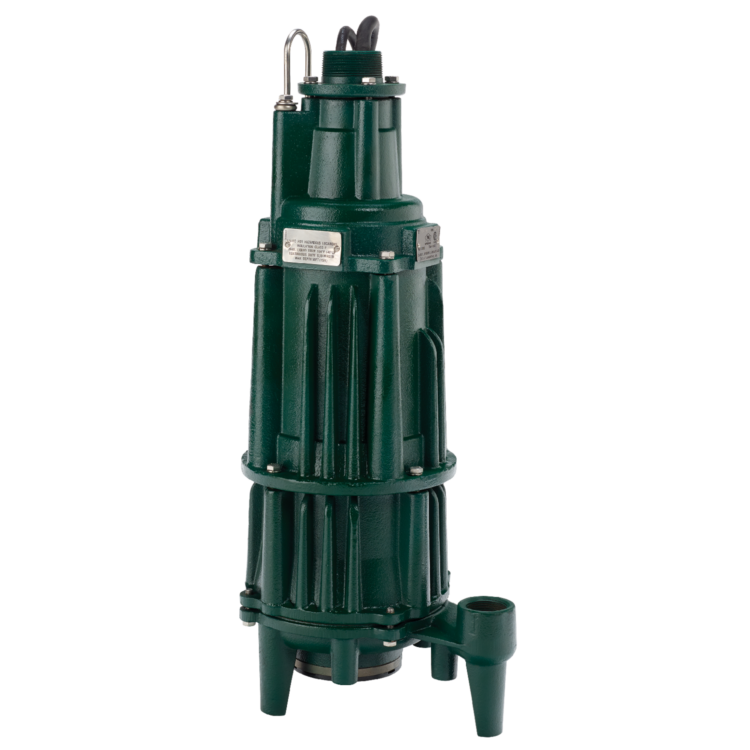
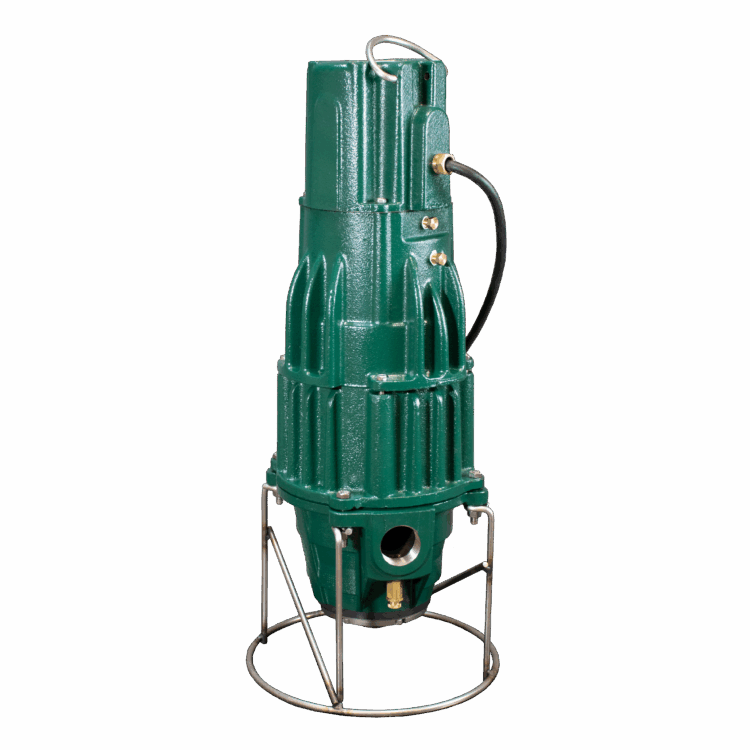
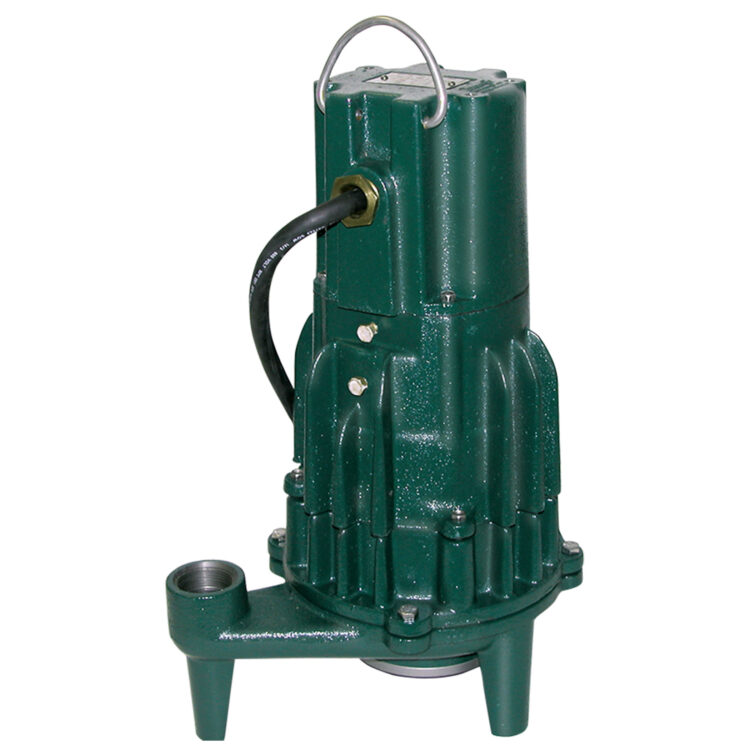
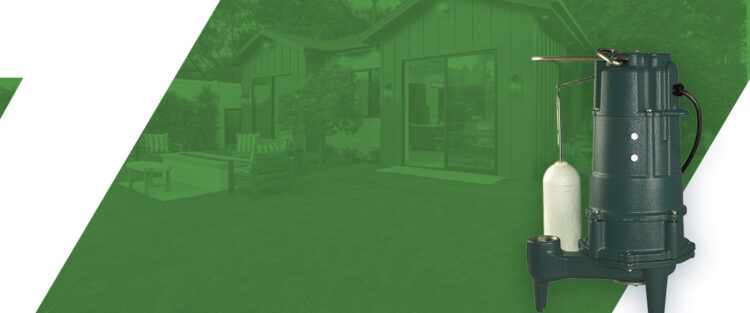
Grinder pumps are high-pressure sewage pumps designed to blend solids into a fine slurry. This allows them to send waste much further than their ejector pump counterparts. Grinder pumps send less at a time, but for many homes and facilities, the pump’s range is more important. These pumps may be too far away from a sewage line for an ejector pump to do the job. Or, there may not be enough slope in the area for the waste to flow naturally into the line. Grinder pumps solve both problems.
The grinder function is also vital for restaurants and other places that deal with a lot of solid waste. With an ejector pump, this waste could build up and block the discharge pipe. With a grinder pump, those large solids get blended down into tiny particles that can easily pass through the pipe.
Homes connected to pressurized city sewer mains may also need grinder pumps. This is because the street line has a high internal pressure that can push waste back into the discharge pipe if it isn’t pressurized enough. Luckily, grinder pumps can generate a high enough pressure to push the waste through.
The Core Differences Explained
Sewage ejector pumps and sewage grinder pumps are not interchangeable. Here are some distinct factors to consider when choosing between these technologies:
- Discharge pipe diameter: Sewage ejector pumps require a minimum discharge pipe diameter of 2 inches. In contrast, grinder pumps can utilize 1 1/14 inches discharge pipes. This smaller diameter helps prevent slurry from settling and hardening in the line.
- Horsepower vs. performance: Be sure to look at the pump curve rather than the motor label. A sewage pump prioritizes gallons per minute (GPM) and empties the basin as fast as possible. A grinder pump prioritizes head, or vertical lift, and will sacrifice speed to generate the thrust needed to push waste up a hill or across a property.
- Cost of ownership and maintenance: Sewage ejectors generally offer a lower total cost of ownership as they have fewer moving parts and no blades to dull. Grinder pumps are more complex, with cutters that can jam or dull if you accidentally flush inappropriate materials and abrasive items.
Why You Should Never Use a Grinder With a Septic Tank
One of the most critical rules in wastewater management is to never install a grinder pump upstream of a septic tank. Septic tanks work by separating the heavy solids from grease and oils. The solids sink to the bottom of the tank while the fats form a scum layer on the top. A relatively clear liquid waste in the middle, called effluent, eventually exits the tank and travels to the leach field for soil absorption. This process requires time and a lack of turbulence to work correctly.
Grinder pumps can disrupt this process. By emulsifying the waste into a fine slurry, the pump creates a mixture where the solids are suspended in the liquid for a much longer period. The solids are so small that they don’t settle out of the solution effectively. When a grinder pump feeds a tank, the suspended solids remain in the effluent layer and get pushed out into the drain field.
This can cause sewage to surface in your yard or back up into the house, which could be avoided by using a sewage ejector pump that leaves solids large enough to settle properly in the tank.
How to Determine Total Dynamic Head
Calculating the total dynamic head (TDH) is important for choosing which product better suits your needs. TDH is the total resistance the pump must overcome to move water from the pit to its final destination. It’s not enough to simply measure the vertical height. You’ll also need to account for the drag inside the pipe that acts as an invisible weight against the pump.
TDH combines two critical factors:
- Vertical lift is the physical measurement from the bottom of the pump pit to the highest point of the discharge pipe. It’s the static weight of the water column pushing down on the pump.
- Friction loss accounts for the resistance caused by the length of the pipe run and every fitting in the system. Each elbow, check valve, and foot of pipe adds drag, effectively increasing the work the pump must do.
A general rule known as the switch point suggests switching to a grinder pump if the TDH exceeds the capacity of a standard sewage ejector, which is usually about 20 to 25 feet. For example, a 15-foot vertical lift might seem manageable, but if it’s followed by 500 feet of pipe and multiple elbows, the friction loss could push the total head requirement well past 30 feet. In this scenario, a standard ejector would simply spin without moving water, whereas a grinder pump is designed to push through that resistance.
Always consult the manufacturer’s pump performance curve with a performance chart to determine its reliability. Once you have your vertical lift (TDH) number, locate it on the chart’s vertical axis. Cross-reference it with your required flow rate on the X-axis (GPM). If your site’s specific intersection point falls below the curve line for a certain model, the pump will work. If your point is above the curve, the pump is too weak, and you must step up to a grinder model to ensure proper operation.
Choose the Right Solution for Your Home
Sewage ejector pumps and sewage grinder pumps both offer unique benefits depending on your home’s layout.
Whether you need the high-flow reliability of a Waste-Mate for a gravity system or the high-head power of a Shark Series grinder for a pressure sewer, Zoeller Pump Company offers 100% factory-tested performance and customer service you can trust.
Browse our pump products and locate a distributor near you today.